If you are a reseller, boutique owner, or online store operator, sourcing dependable wholesale sneakers is the core of your success. Many new buyers focus only on low costs and fast shipping, but smart bulk sourcing requires balanced quality, stable supply, and trustworthy cooperation.
This guide covers six practical tips to help you source wholesale sneakers effectively in 2026.
1. Choose the Right Product Types for Your Market
The footwear market covers many categories: basketball shoes, running sneakers, casual street styles, kids shoes, slides, snow boots, and athletic cleats. Each category has different customer demands, seasonal trends, and profit margins.
Before placing bulk orders, ask yourself these questions:
- Who is my target customer? (teams, resellers, individual buyers?)
- What is the local market demand in my area?
- Which categories have steady sales year-round?
For example, casual daily sneakers and classic neutral colorways maintain steady demand across all seasons. Seasonal items like snow boots and slide sandals need careful timing. Stocking the wrong categories leads to overstock and lost capital.
Practical tip: Start with 2-3 categories you know well, then expand after testing demand.
2. Inspect Quality Before Bulk Orders
Cheap bulk sneakers may seem profitable at first, but poor stitching, thin materials, uncomfortable insoles, and easy wear will cause frequent returns, negative feedback, and damage to your store reputation.
Always check these quality indicators before placing a wholesale order:
- Material durability: Mesh uppers should be breathable but tear-resistant. Rubber outsoles should have good traction.
- Workmanship: Check stitching alignment, glue marks, and sole attachment.
- Comfort: Insoles should provide adequate cushioning for daily wear.
- Daily wear performance: How do the shoes hold up after a week of normal use?
Practical tip: Request sample pairs (1-2 pairs per style) before committing to bulk purchase. This simple step costs less than $50 but can save you thousands in bad inventory.
3. Verify Suppliers Carefully
The internet is full of unstable middlemen and unregulated factories. Unverified suppliers may have inconsistent batch quality, delayed delivery, wrong item shipments, or even transaction risks.
Reliable wholesale sneaker suppliers typically provide:
- Clear product details and specifications
- Real product images (not catalog photos from other sites)
- Transparent MOQ (Minimum Order Quantity) rules
- Stable after-sales service and return policies
Where to find verified suppliers:
- Alibaba Trade Assurance: Protects your payment and order quality
- Made-in-China: Good for factory-direct sourcing
- Industry forums and Facebook groups: Real buyer experiences and recommendations
Red flags to avoid:
- Suppliers who refuse to send samples
- Prices that seem too good to be true (often 50% below market average)
- No physical address or verifiable business license
- Pressure to pay 100% upfront
Practical tip: Always read supplier reviews and compare at least 3 vendors before making a decision.
4. Plan Pricing and MOQ Strategically
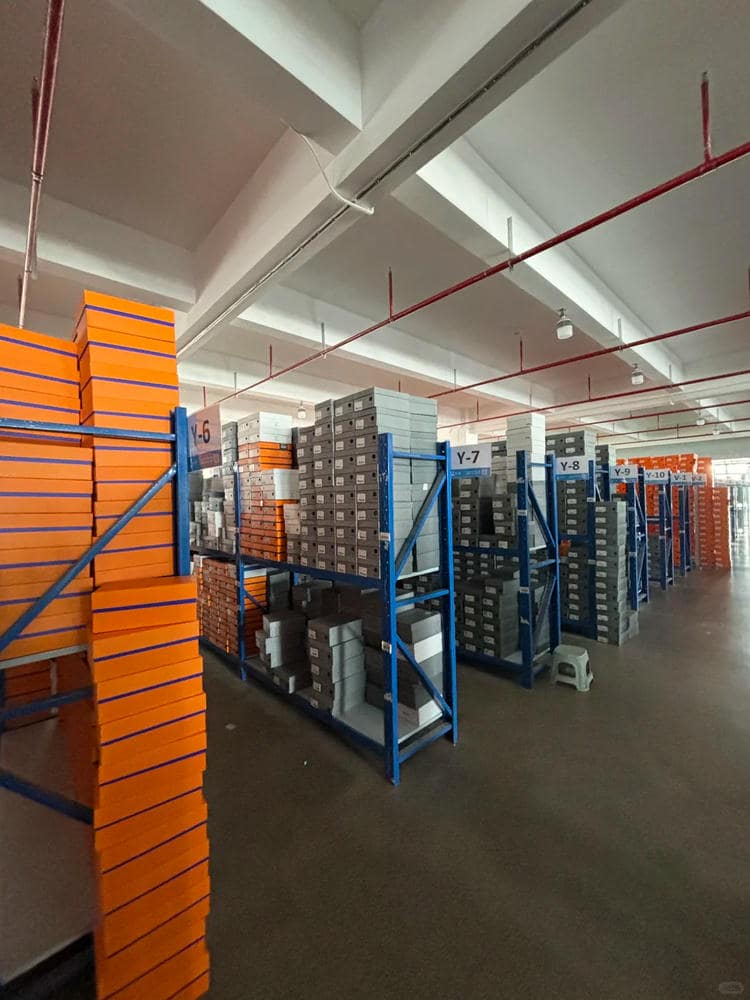
Many bulk footwear suppliers offer lower unit prices for larger orders, but high MOQs increase inventory pressure. New resellers often make the mistake of ordering too much too soon.
Smart MOQ planning:
Start with lower MOQs (50-100 pairs) to test market response. Track which styles sell fastest over 2-3 months, then scale up gradually. A common rule among experienced resellers: never order more than you can sell in 90 days.
How to negotiate better pricing:
- Ask for tiered pricing based on order volume
- Bundle multiple styles to reach higher quantity thresholds
- Commit to regular reorders instead of one large order
- Pay on time consistently to build trust
Hidden costs to include in your calculation:
- Shipping and freight (sea freight is cheaper but slower)
- Customs duties and import taxes
- Warehousing and storage
- Payment processing fees
Practical tip: Always calculate your landed cost (product + shipping + fees) before setting your resale price. A $10 shoe might cost $15 after all expenses.
5. Follow Sneaker Trends to Boost Sales
Staying current with sneaker trends helps you update inventory and attract repeat customers.
2026 trends to watch:
- Breathable materials: Mesh and knit uppers continue to dominate
- Neutral colorways: White, black, beige, and gray sell consistently
- Comfort-first designs: Thick insoles and lightweight construction
- Trail and outdoor styles: Growing demand for rugged, durable shoes
- Slides and slip-ons: Steady year-round demand for casual wear
Seasonal planning guide:
| Season | Focus Categories | Order Timing |
|---|---|---|
| Spring | Running shoes, casual sneakers | January-February |
| Summer | Slides, lightweight shoes, breathable styles | March-April |
| Fall | Running shoes, casual, back-to-school | June-July |
| Winter | Snow boots, warm-lined shoes | August-September |
Practical tip: Keep 70% of your inventory in steady-sellers (neutral, casual, all-season styles) and 30% for seasonal or trendy items.
6. Build Long-Term Supplier Partnerships
Instead of frequently switching suppliers to save a few dollars per pair, focus on building long-term relationships with reliable vendors.
Benefits of long-term partnerships:
- Exclusive wholesale discounts
- New product previews before public release
- Priority stock reservations during peak seasons
- Faster customer support and problem resolution
- Flexible payment terms (deposit + balance on delivery)
How to build strong supplier relationships:
- Communicate clearly and professionally
- Pay on time, every time
- Provide feedback on product quality
- Order consistently (even small regular orders beat sporadic large orders)
- Visit factories in person if possible (Fujian, Zhejiang, and Guangdong provinces in China are major footwear manufacturing hubs)
Practical tip: Start with 2-3 suppliers, test their reliability over 3-6 months, then focus on the best 1-2 for long-term cooperation.
Final Thoughts
Systematic sourcing habits make your wholesale sneaker business easier to manage and more profitable.
Quick recap of the 6 tips:
- Choose the right product types for your market
- Inspect quality with sample orders
- Verify suppliers thoroughly before committing
- Plan pricing and MOQ strategically
- Follow sneaker trends to time your inventory
- Build long-term supplier partnerships
Focus on quality first, choose verified suppliers, plan inventory reasonably, and follow market trends steadily. With these sourcing tips, you can build a sustainable and profitable bulk footwear business in 2026 and beyond.
Related: Check our [Supplier Reviews] for real sourcing experiences and more guides on verifying factories and avoiding common pitfalls.