Running shoes have year-round demand, making them a smart investment for retailers, resellers, and team buyers. Unlike seasonal footwear, people run and work out in every season. This guide covers the most in-demand styles, how to evaluate quality, where to find reliable suppliers, and common mistakes to avoid.
1. Most In-Demand Running Shoe Types (2026)
Not all running shoes are the same. Stocking the right mix of styles is key to meeting customer demand.
Neutral Running Shoes
Designed for runners with a neutral gait, these shoes offer a balance of cushioning and flexibility. They appeal to casual joggers, daily wearers, and long-distance runners with high arches. Look for lightweight mesh uppers and durable rubber soles. This is the safest category to stock because it appeals to the widest audience.
Stability Running Shoes
Runners with low to medium arches often overpronate, meaning their feet roll inward excessively when landing. Stability shoes feature extra medial support to prevent this, reducing injury risk. This category has a loyal customer base willing to pay for quality. When sourcing stability shoes, look for firm foam insoles and reinforced heels.
Cushioned Running Shoes
Thick padding in the heel and forefoot absorbs impact, making these ideal for long-distance runners and anyone prioritizing comfort. In 2026, lightweight EVA and memory foam are top choices because they provide cushioning without adding bulk. These shoes are also popular for daily wear, expanding your customer base beyond just runners.
Trail Running Shoes
Rugged outsoles with deep lugs provide traction on dirt, rocks, and uneven terrain. Water-resistant uppers and reinforced toe caps add durability. This is a fast-growing category due to the rise in outdoor fitness trends. Stock trail shoes if your customers include outdoor enthusiasts or teams training on varied terrain.
Minimalist Running Shoes
These have little to no cushioning and a low heel-to-toe drop. They appeal to a niche market of runners who prefer a “barefoot” feel and natural running form. While the audience is smaller, these buyers are often loyal and willing to spend more.
2. How to Evaluate Quality Before Bulk Orders
Quality is the difference between repeat customers and returned inventory. Here is what to check before placing a wholesale order.
Materials
Mesh uppers provide breathability. Rubber outsoles offer durability and traction. Memory foam or EVA insoles add comfort. Avoid cheap synthetic materials that tear easily or lose shape after a few wears.
Craftsmanship
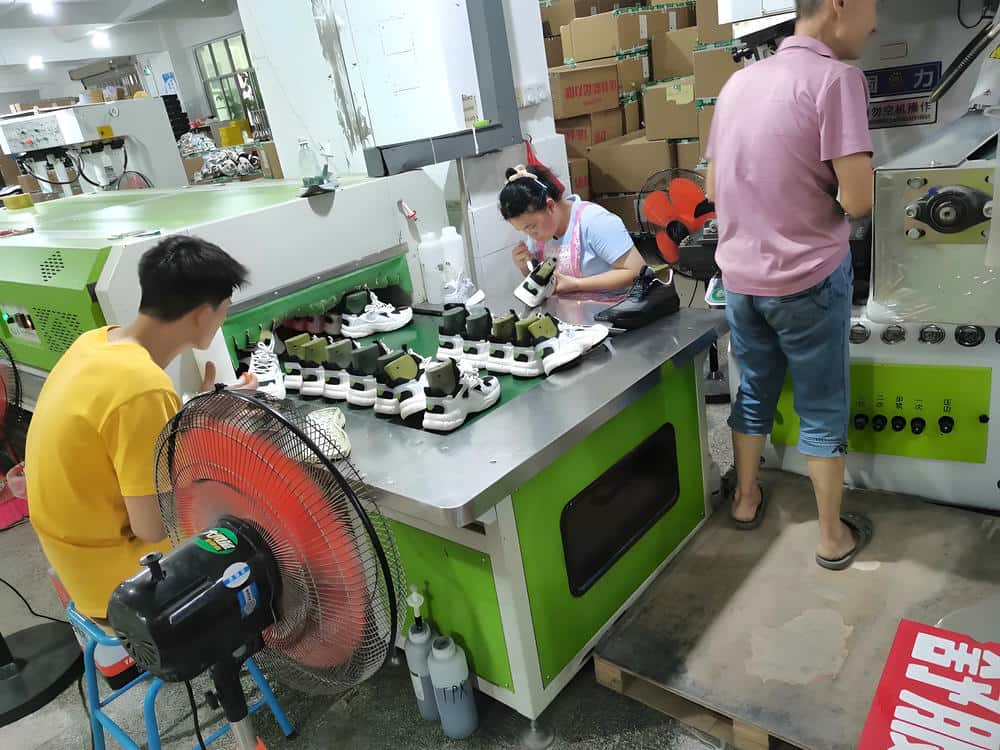
Inspect stitching on samples. Uneven seams, loose threads, or visible glue marks are red flags. The sole should be securely attached with no gaps. Always request physical samples before committing to large orders.
Fit and Sizing
Running shoes must fit true to size. Ask suppliers for size charts and confirm US, EU, and UK standards. For bulk orders, stock a range from men’s 5-13 and women’s 4-11. If your market includes wide-footed buyers, ask about wide-width options.
Compliance for International Markets
If selling to Europe, ensure REACH compliance for chemical safety. For the United States, CPSC compliance is required. Ask suppliers for certificates to avoid customs delays or legal issues.
3. Finding Reliable Wholesale Suppliers
The biggest challenge in wholesale is finding a supplier that delivers quality products on time. Here is how to vet suppliers effectively.
Supplier Types
- Manufacturers: Lowest prices but highest minimum order quantities, often 500 pairs or more. Best for large retailers with storage space.
- Distributors: Lower MOQs, typically 100-500 pairs, with faster delivery. Prices are slightly higher but good for testing new styles.
- Liquidators: Clearance inventory at steep discounts. Quality and sizing can be inconsistent. Only use if you can inspect products first.
Vetting Checklist
- Request business license and trade assurance documentation
- Order 1-2 samples before any bulk order
- Read reviews from other B2B buyers on platforms like Alibaba
- Confirm production times, MOQs, shipping costs, and return policies
Negotiation Tips
- Ask for tiered pricing. Larger orders should mean lower per-unit costs.
- Bundle multiple styles or sizes to get a better overall price.
- Negotiate deposit-plus-balance payment terms, such as 30-50 percent upfront.
4. Common Mistakes to Avoid
Even experienced buyers make mistakes. Here are the most common pitfalls.
Ignoring MOQs
Do not order more than you can store or sell. Start with smaller quantities to test demand, then scale up.
Sacrificing Quality for Price
The cheapest supplier is rarely the best. Poor-quality shoes lead to returns, negative reviews, and lost customers. Invest in quality from the start.
Forgetting Shipping and Customs
Factor in freight costs and customs fees when calculating your total cost. Sea freight is cheaper but slower. Air freight is faster but more expensive. Ensure you have all necessary documents to avoid delays.
Using Branded Shoes
Never source shoes with logos from major brands. This includes Nike, Adidas, and any other trademarked names. This is trademark infringement and will result in your website being shut down, payment gateways freezing your funds, and potential legal action. Stick to unbranded shoes only.
Overlooking Trends
Do not stock outdated styles. In 2026, breathable materials, lightweight designs, and trail running shoes are trending. Check supplier catalogs and industry reports before placing orders.
5. Pricing Estimates for 2026
Based on current market data, here are rough price ranges for wholesale running shoes.
| Category | Price per pair (100-300 pairs) | Price per pair (500+ pairs) |
|---|---|---|
| Neutral | $8 – $15 | $6 – $12 |
| Stability | $10 – $18 | $8 – $14 |
| Cushioned | $12 – $20 | $9 – $16 |
| Trail | $15 – $25 | $12 – $20 |
| Minimalist | $7 – $12 | $5 – $10 |
These are estimates for unbranded, mid-quality shoes. Premium materials or custom branding will increase costs.
6. Final Tips for Selling
Once you have sourced quality inventory, use these tips to boost sales.
- Highlight breathability, comfort, and durability in your product listings
- Use unbranded factory photos to show actual product quality
- Target sports teams with durability messaging or casual runners with comfort messaging
- Offer tiered discounts for larger bulk orders, such as 10 percent off 500+ pairs
Final Thoughts
Sourcing wholesale running shoes comes down to three things: quality products, reliable suppliers, and understanding your customer’s needs. Start with small sample orders from 2-3 suppliers, compare quality and pricing, then scale based on real demand.
Related: Check our [Sourcing Tips] and [Supplier Reviews] for deeper guides on verifying factories and avoiding common pitfalls.